What to Look for in Medical Alarms NZ: A Guide for Families and Seniors
When I first started helping my mother look into medical alarms, I assumed it would be straightforward. You buy a button, you press it if you fall, someone comes. But after hours of reading reviews, talking to providers, and visiting a few showrooms in Auckland, I realised that choosing a personal medical alarm is more like buying a good pair of walking shoes: comfort, fit, and features matter, and what works for one person may be useless for another. That is especially true in New Zealand, where geography, healthcare networks, and the way we age in place create specific needs. This article shares what I learned about medical alarms NZ, including the key features to compare and the trade-offs every family should consider.
Why the Right Alarm Matters More Than You Think
Most people assume that any medical alarm will do. But the reality is that an alarm that is too complicated, too expensive, or poorly matched to the user's lifestyle will end up in a drawer. I have seen it happen: a well-meaning family buys a basic pendant, the senior hates wearing it because it feels like a tracker, and the device collects dust. Meanwhile, the risk of a fall or medical emergency remains unchanged. For seniors who want to stay in their own homes in suburbs like Manukau or Wellington, a medical alarm is not a luxury. It is a practical tool that can mean the difference between five minutes of help and an hour of waiting on the floor. That is why understanding what each system offers is so important.
The Core Features That Matter in Medical Alarms NZ
I spent a weekend talking to three different providers, including St John New Zealand, and I learned that not all personal medical alarms are the same. Here are the features that genuinely make a difference for seniors in New Zealand:
Fall Detection
This is the feature that most families ask about first. Fall detection uses sensors in the pendant or device to detect a sudden impact and a change in body position. If the wearer falls and cannot press the button, the system automatically sends an alert. I have seen this work well in practice: a neighbour in Christchurch tripped on a loose rug, and the alarm went off before she even realised she could not get up. But fall detection is not perfect. It can sometimes trigger false alarms when a person drops the device or bends over quickly. Some systems let you cancel the alert if it is a false alarm, which is a useful safety net. If you are considering fall detection, ask the provider how their system handles sensitivity and cancellation.

GPS Tracking
For seniors who are still active and like to walk to the shops or visit friends, GPS tracking is a game-changer. It means the alarm knows where the wearer is, even outside the home. I have a family friend in Auckland who uses a GPS-enabled pendant when she walks her dog. She says it gives her daughter peace of mind without feeling like she is being watched. Not all medical alarms NZ offer GPS, and those that do may charge extra or require a separate device. If the senior spends time outside, this is worth prioritising.
Two-Way Calling
This feature allows the wearer to speak directly to a responder through the alarm unit. It is not just about hearing a voice; it is about being able to describe what happened. I remember a story from a Care NZ coordinator who told me about an elderly man who fell in his garden. He could not move, but he could speak. With two-way calling, he told the responder exactly where he was and what he needed. That kind of communication can reduce response time and anxiety. Many modern systems, including Philips Lifeline and Vayda, include two-way calling as standard, but it is worth confirming before you buy.
No Monthly Fees: The Financial Side of Peace of Mind
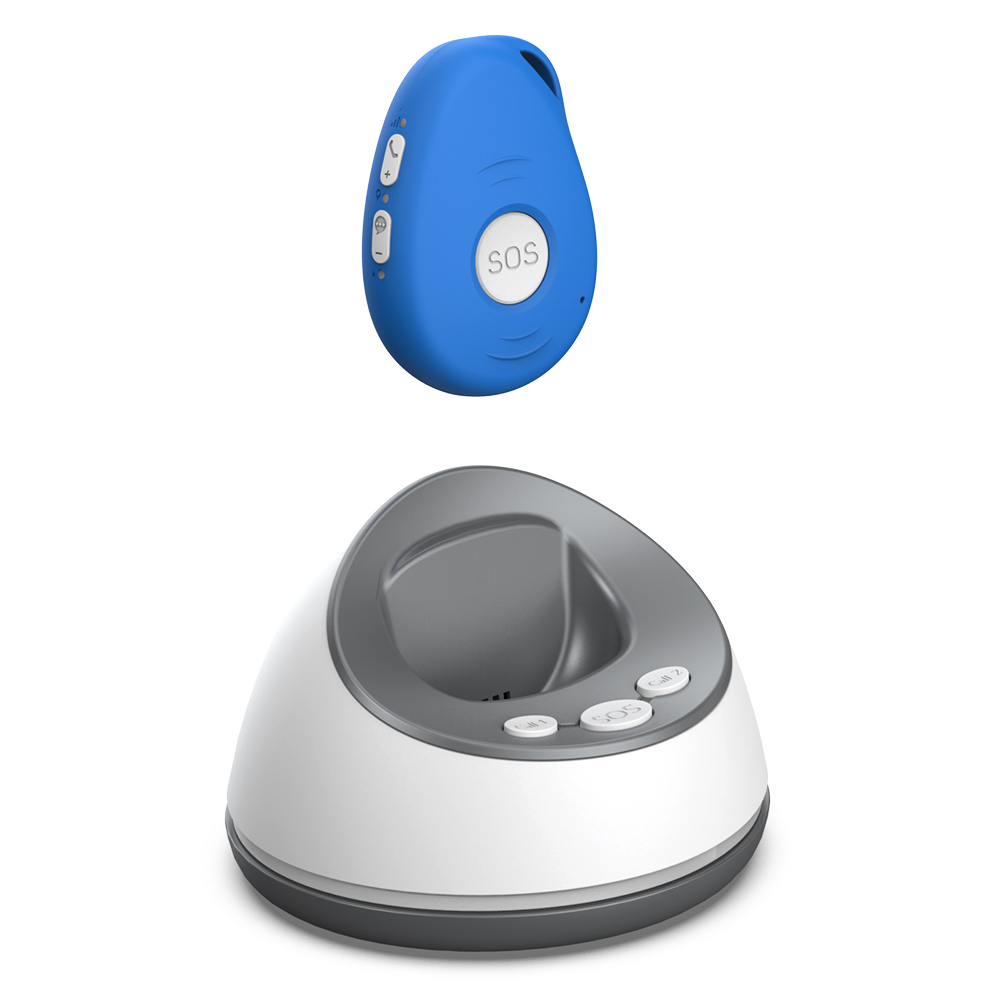
One of the most common complaints I hear from families is about ongoing costs. Monthly fees for traditional emergency response systems can add up to hundreds of dollars a year. That is why the idea of no monthly fees is so appealing. Some providers, like Familyr, offer personal medical alarms with no ongoing charges after the initial purchase. I have spoken to several families who chose this model because it fits a fixed-income budget and avoids the mental load of another recurring bill. But there is a trade-off. Systems with no monthly fees may not include 24/7 monitoring from a central station like St John New Zealand. Instead, alerts go directly to family members or caregivers via a mobile app. For some families, that is exactly what they want: immediate notification to the people who know the senior best. For others, especially those who live far away or have limited availability, a monitored service may be worth the monthly cost. There is no single right answer, but knowing the difference helps you decide.
How to Choose Between Different Brands and Providers
After comparing Philips Lifeline, Vayda, Fall Alert, and Familyr, I noticed a few patterns. The bigger brands like Philips Lifeline have established monitoring centres and offer a wide range of accessories. They are reliable but can be expensive, and their contracts sometimes lock you in for a year. Vayda and Fall Alert are smaller companies that often focus on specific features, like GPS or fall detection. They may be more flexible but also have smaller support teams. Familyr, based in New Zealand, offers a different approach: the device itself does the detection and calling, and there is no monthly fee. It is worth considering what level of support your family needs. If you are in Wellington or Christchurch, you may also want to check if the provider has local partners or repair services. A device that breaks and takes weeks to replace is not helpful.
Practical Considerations for Installation and Use
I have helped two seniors set up their medical alarms, and the process varies. Some systems are plug-and-play: you charge the device, set up the app, and test it. Others require a base station that connects to a landline or mobile network. If the senior lives in an area with spotty mobile coverage, that is a big deal. I know someone in a rural area near Manukau who could not get a signal for a GPS pendant. She switched to a system that uses a landline base station instead. Also, think about the pendant itself. Is it waterproof? Can it be worn in the shower? Most falls happen in the bathroom, so a waterproof pendant is essential. Does it have a long battery life? Some need charging every day, others last a week. Little things like that can determine whether the alarm becomes part of daily life or a forgotten gadget.
What the Experts and Regulators Say
The Ministry of Health NZ has published guidelines on ageing in place, and they note that emergency response systems are a key part of staying safe at home. St John New Zealand also runs community programmes that educate seniors on fall prevention and alarm use. But the ministry does not recommend one specific brand. Instead, they encourage families to assess the senior's mobility, health conditions, and living environment. If you are considering a purchase, it is worth reading the Ministry of Health NZ's advice on choosing equipment for older adults. They highlight that the device should be easy to use, reliable, and backed by good customer service.

Final Thoughts: Balancing Independence and Safety
Choosing a medical alarm is not just about technology. It is about respecting a senior's desire to live independently while giving the family enough reassurance to sleep at night. I have seen families argue over whether to buy a monitored system or a no-monthly-fee device. Both sides have valid points. But what matters most is that the alarm gets used. That means it must be comfortable, easy to operate, and suited to the person's daily routine. If you are looking for medical alarms NZ, take the time to test a few models, talk to the provider about returns, and involve the senior in the decision. They are the one who will wear it. And when they do, the peace of mind is worth every cent.
Ends · MEDICALALARMSNZWORKS